Change is never easy, even in sports
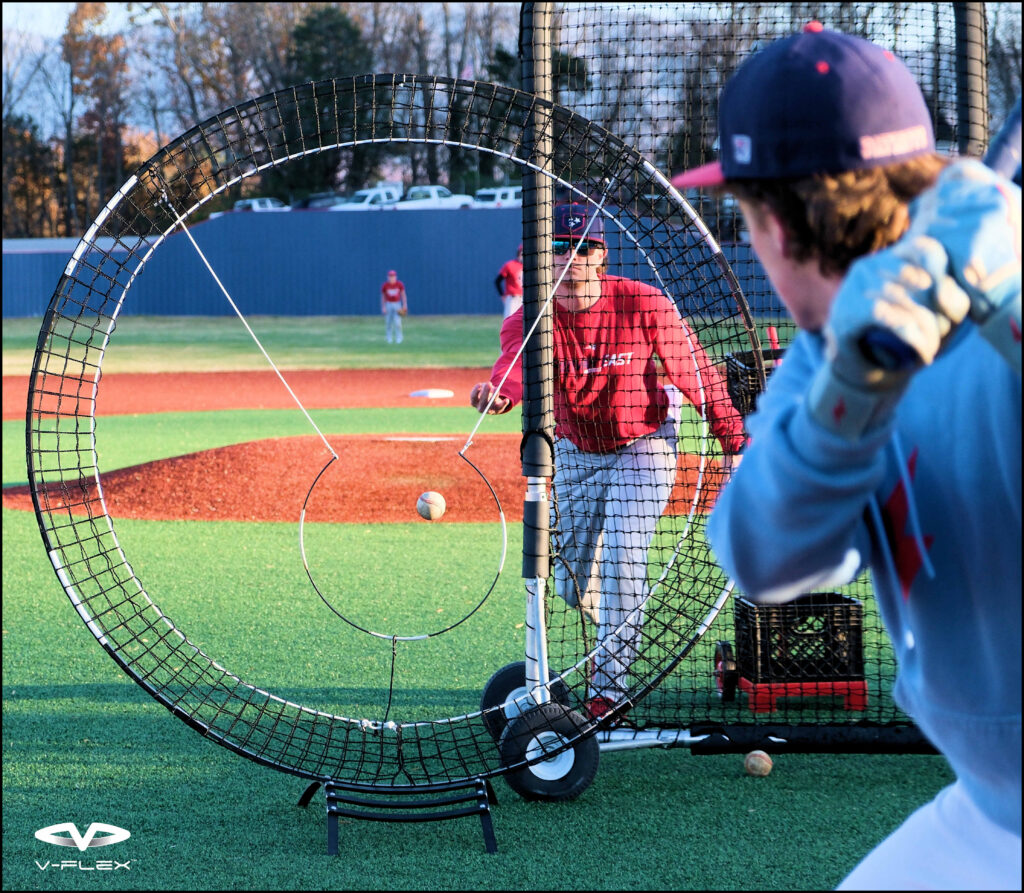
When a thought-provoking system like V-Flex enters the game, reactions among coaches vary dramatically. Some adopt it immediately, while others hesitate—or even resist. Understanding why is essential for anyone looking to implement brain-based hitting instruction effectively.
Why Some Coaches Adapt Quickly
For certain coaches, transitioning to V-Flex is relatively straightforward. These are instructors who:
- Embrace innovation and are open to new methods
- Focus on player development rather than tradition
- Value scientific evidence over intuition

These early adopters see the immediate benefits of an objective, brain-based system. They understand that V-Flex provides a standard model for strengthening neuro connections that help develop strike-zone awareness and ultimately strike recognition, allowing their hitters to improve discipline and consistency at the plate.
Resistance: Not Always About Pride
Other coaches need more time to integrate V-Flex into their programs. Resistance often stems not from stubbornness, but from unfamiliarity with brain-based learning. For years, coaches have relied on experience, drills, and intuition. Now, a system that focuses on the brain and neurological responses can feel foreign or intimidating.
Sometimes, resistance is tied to ego—not experience. Coaches with decades of experience may feel challenged when introduced to methods that don’t align with traditional instruction. But this is less about pride and more about comfort zones: it’s natural to hesitate when asked to reframe long-held beliefs.
The Advantage of an Objective System
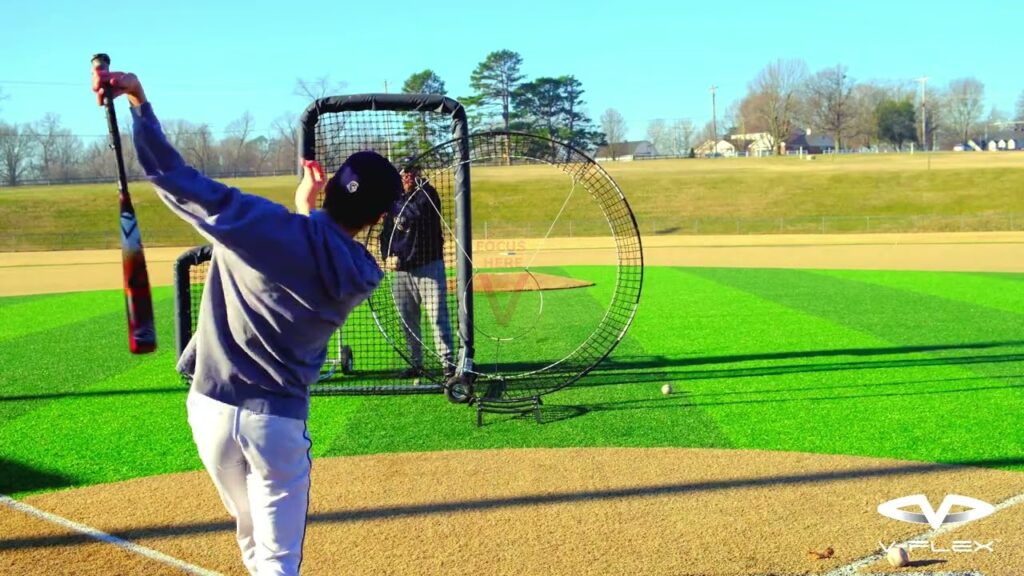
Here’s the beauty of V-Flex: it doesn’t care how long you’ve coached. Whether a coach has 5 years or 25 years of experience, the “system” works because neurons are inherently bound by the laws of physics to follow the path of least resistance. You could say V-Flex is scientifically grounded. Results come from objective, repeatable methods that rely on brain science, not personal intuition or anecdotal observations.
This is a game-changer for coaches, as it levels the playing field and ensures that hitters receive consistent training regardless of who is teaching them.
Coaches Who Adapt Reap the Rewards
The most effective coaches are those willing to embrace change. They:
- Prioritize players’ growth over personal comfort
- Recognize the limitations of traditional methods
- See brain-based training as an opportunity rather than a threat
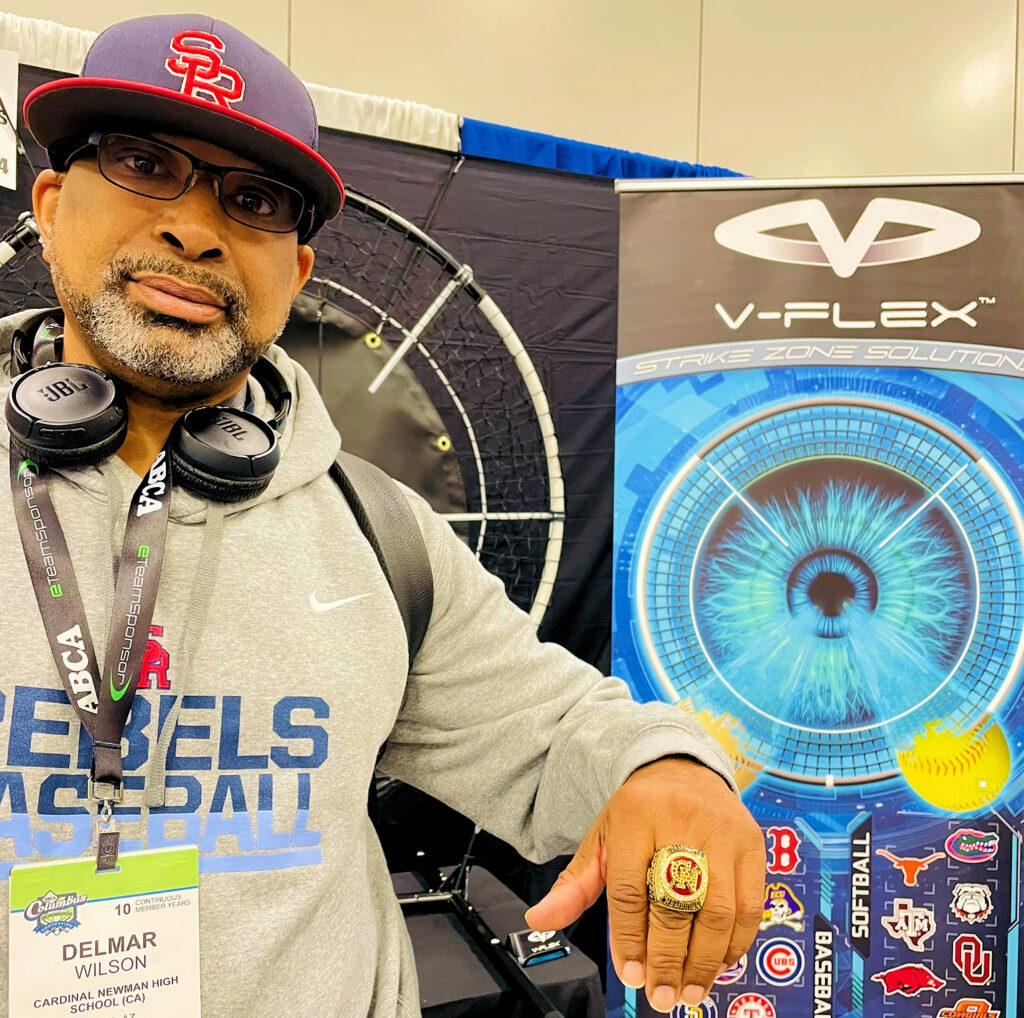
These coaches are already witnessing measurable improvements: hitters become more disciplined, more selective, and more confident. Plate discipline improves because the system teaches the brain to respond correctly, rather than relying on conscious thought or repetitive verbal cues.
Why Understanding Resistance Matters
Resistance isn’t a barrier—it’s a signal. It shows that coaches need education about brain-based learning before they can fully embrace the system. By understanding the science behind V-Flex, coaches can move past defensive reactions and see the benefits for their players.
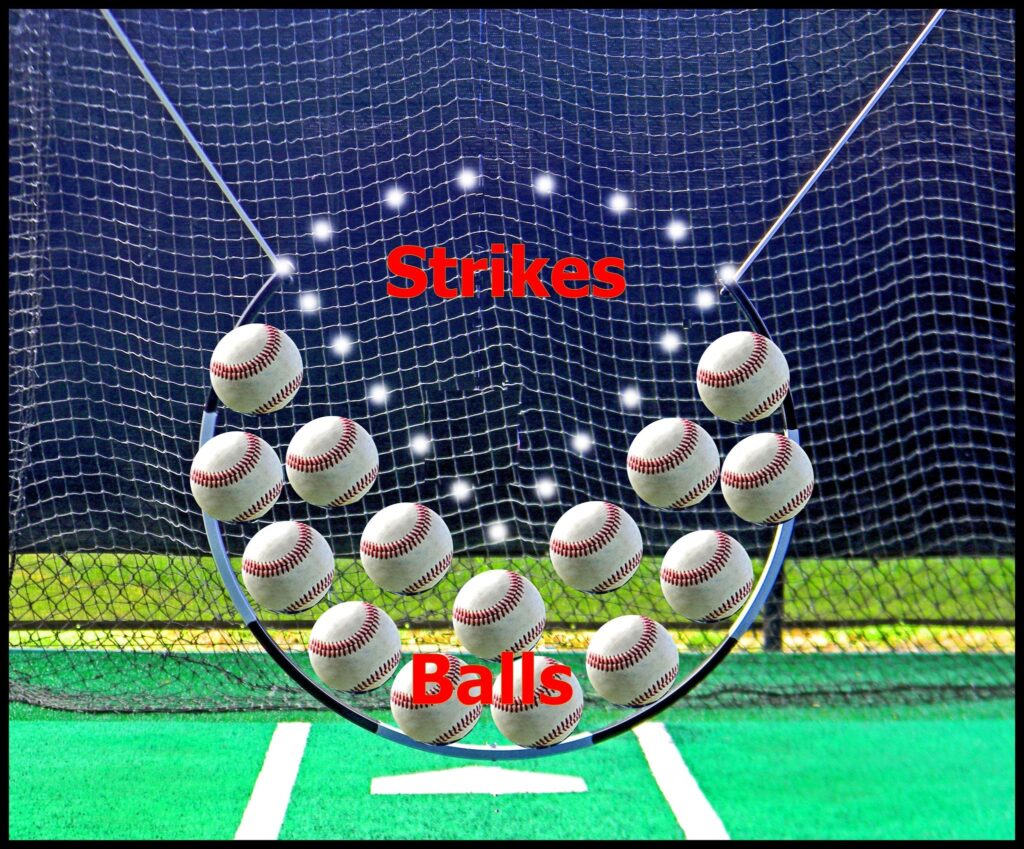
Ultimately, the willingness to adapt separates good programs from great ones. Those who resist miss out on a powerful tool for developing hitters who are not only mechanically sound but neurologically primed for success.
Looking Ahead
In the next post, we’ll share the Tony Gwynn story—a perfect example of how even the greatest hitters can recognize the power of brain-based training in a single demonstration. His story highlights the immediate impact V-Flex can have when coaches and players open their minds to a new way of learning.